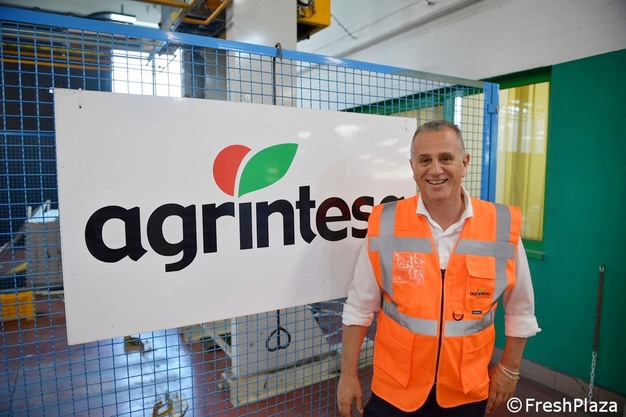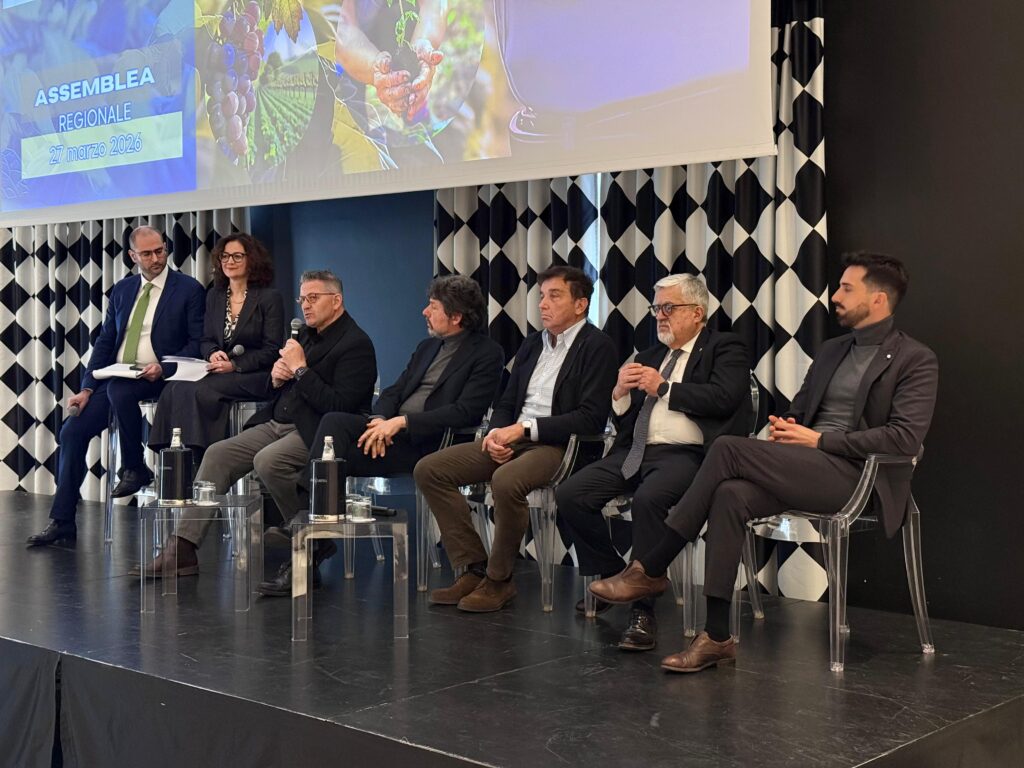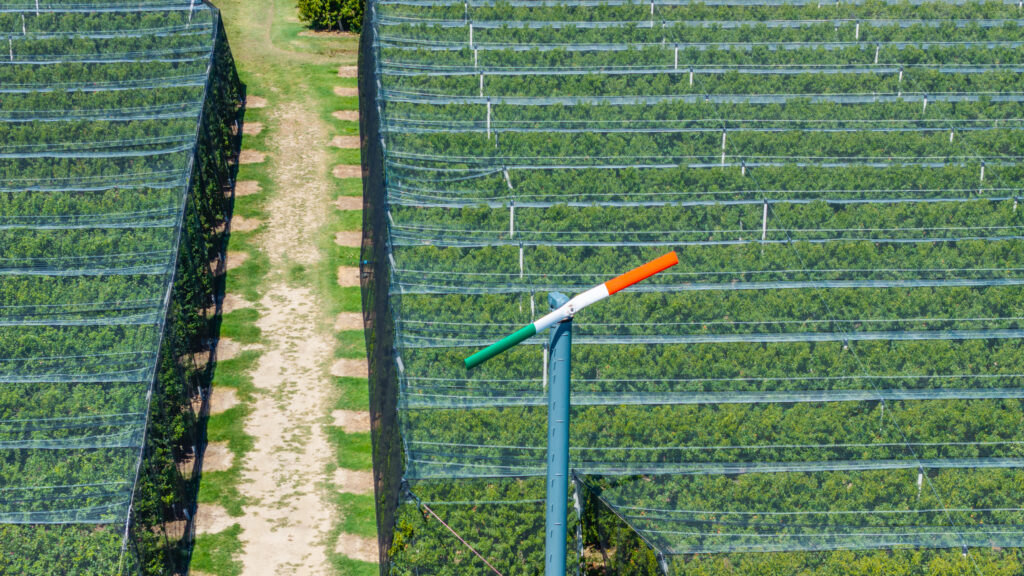
There are good prospects for continuing constructive dialogue between the national working group and an international delegation from GLOBALG.A.P., the voluntary international standard for good agricultural practices that promotes food safety, environmental sustainability and worker health and safety. On 25 and 26 November, CSO Italy, as coordinator of the GLOBALG.A.P. national working group, together with Assomela, Confcooperative and Fruitimprese, organised a two-day event to present the Italian fruit and vegetable system to a group of representatives from Agraya, the company that owns GLOBALG.A.P., with some practical examples. In fact, the group of four GLOBALG.A.P. experts, with the significant presence for the first time of representatives from a large German distribution chain, were able to visit two leading companies in the Italian fruit and vegetable sector, the South Tyrolean VOG Consortium in Terlano and the Agrintesa plant in Bagnacavallo.
However, beyond the visits and technical aspects, the foreign delegation was able to clearly see for themselves that they were dealing with a united system, brought together in a strong and reliable cooperative model capable of facing the major challenges of the market as well as common problems related to quality and certification standards.
Various topics were addressed: from the role of POs, included in Option 2 of the GLOBALG.A.P. system, to the synergy between the public and private sectors in providing technical support to farmers and seeking innovative technical solutions. Particular attention was paid to the problem of the proliferation of quality and certification schemes and their impact on POs and producers. A comparison of the last decade, carried out specifically by CSO Italy, shows a doubling in terms of working hours and costs, with a worrying upward trend that the world of production cannot passively accept.
Specific points relating to the GLOBALG.A.P. standard and so-called Add-Ons such as Spring were also addressed.
During the visits, critical issues were highlighted, but there was much discussion about possible solutions to be implemented in the short term. Some requirements of the GLOBALG.A.P. standards have a very negative impact on small producers, compromising the capabilities that are essential for maintaining the economic and social fabric and for managing the territory. Option 2, relating to Producer Organisations, provides a guarantee in this area and should be further promoted in a decisive manner.
The meetings concluded with a commitment to draw up a joint roadmap between the National Group and the international management of GLOBALG.A.P., in order to arrive at solutions that will benefit all parties involved as quickly as possible. The discussion also included large-scale retailers who, by using certification schemes, act as a link between producers and consumers.
Simona Rubbi of CSO Italy, as coordinator of the GLOBALG.A.P. National Working Group, Alessandro Dalpiaz representing Confcooperative, Giovanni Missanelli, director of Assomela, and Pietro Mauro, director of Fruitimprese, in a joint statement, expressed their hope that the constructive dialogue that has begun will lead, with GLOBALG. A.P., to a rationalisation of certification systems, avoiding their proliferation, and to the active involvement and mutual collaboration of distribution chains. They also thanked VOG, Agrintesa and all those who actively contributed to the success of the initiative. (lg)
Source: CSO Italy Press Office