The renewed 2026–2031 subsidised financing plan is underway, which, in addition to the planned OCM contributions, supports members and strengthens investments in new fruit-growing facilities and frost protection systems.
(Faenza, 29 January 2026) – Supporting its members in combating the effects of climate change and accompanying them in the process of varietal renewal to respond to market developments: these are the objectives underlying the new 2026–2031 Regulations for subsidised loans to producer members recently approved by Agrintesa. A strategic tool with a total budget of €2 million per year for the next five years, designed to support investments in new fruit plantations and active frost protection systems.
The regulation, approved by the cooperative, represents a significant evolution compared to previous editions – active since 2016 and already updated in 2021 – both in terms of financial resources and in terms of an increasingly targeted focus on production considered strategic for the future of the cooperative. In particular, Agrintesa has decided to increase the funding amounts, also providing enhanced support for particularly strategic species, as well as for active defence measures.
The maximum limits are also increasing: the plafond for individual member farms has been doubled, while the total annual limit has risen from €1.5 million to €2 million, confirming the economic significance of the operation.
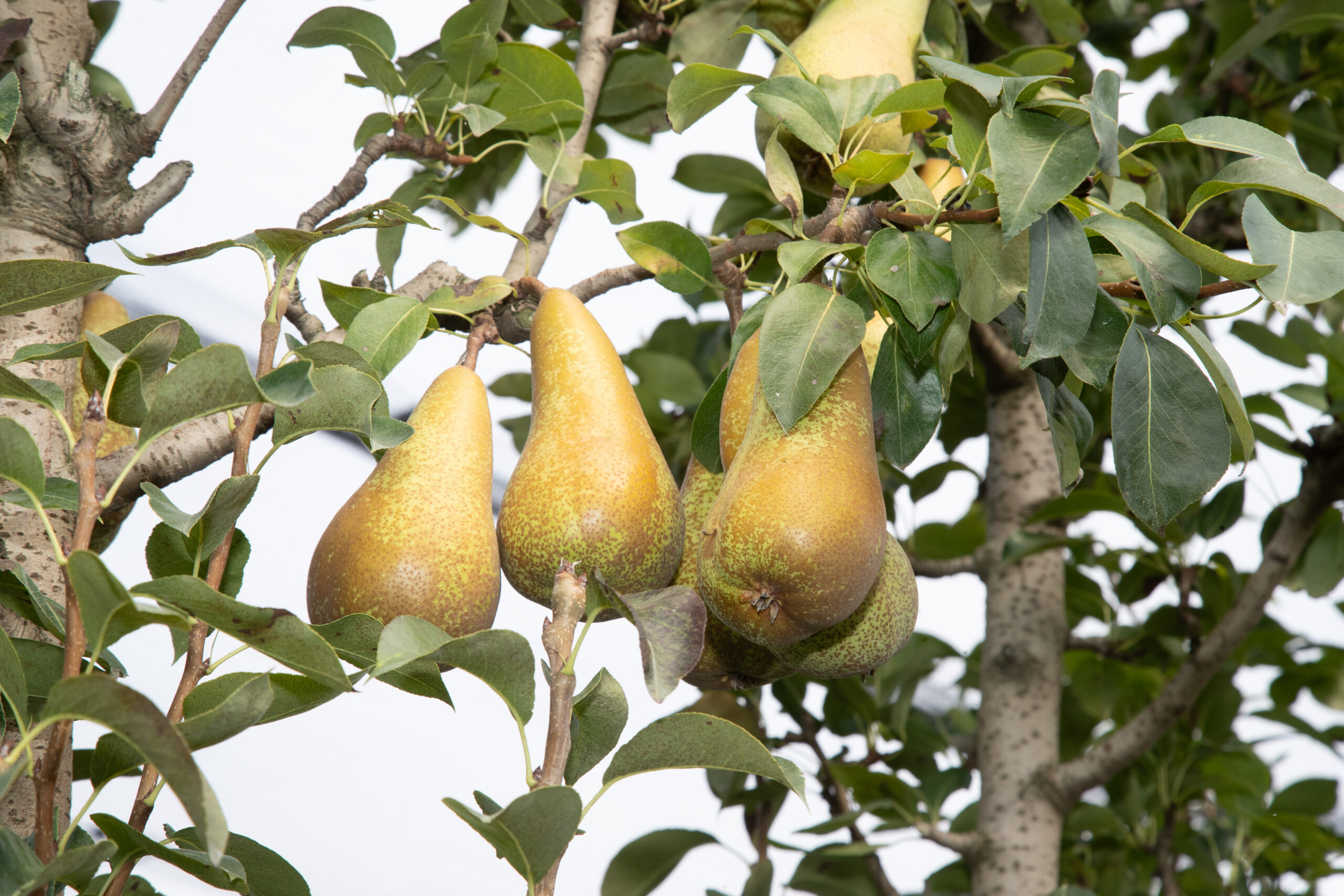
‘We are aware of the climatic and phytosanitary difficulties that some crops, particularly pear growing, are experiencing and which directly affect our membership base,’ says Aristide Castellari, president of Agrintesa. “With this regulation, we want to make a concrete contribution to safeguarding and relaunching a strategic production for our members, supporting the investments necessary to make farms more resilient, modern and competitive. But we also want to give impetus to our entire membership base so that it is ready to expand and renew its production and focus on species that offer significant market returns and can guarantee adequate economic sustainability. Furthermore, we intend to continue along the path we have been following for five years now, supporting those who decide to invest in technologies that can mitigate the effects of the increasingly extreme events to which climate change has, unfortunately, accustomed us. It is a choice that looks to the future of the cooperative’s members and the continuity of our supply chains.”
‘This regulation is unique in the national fruit and vegetable sector,’ emphasises Cristian Moretti, general manager of Agrintesa, “and is a concrete example of how a structured cooperative can put its financial strength at the service of its members, accompanying them in investments deemed most strategic. We are not just talking about financial support, which will be added to the CMO contributions provided for within our PO Apo Conerpo, but about a systemic vision: new facilities, active protection, production diversification and attention to young people are key elements in ensuring the profitability and continuity of farms in the medium to long term.”
The new regulation pays particular attention to young producers and generational change, with the aim of facilitating access to investment even in the early stages of entrepreneurial activity.
The 2026-2031 Regulation introduces an increase in contributions per hectare, calibrated according to the species and interventions carried out. With a view to varietal rationalisation and greater production resilience, for new fruit plantations, the financial support provided is €8,000/hectare, rising to €10,000/hectare for those who choose to focus on blueberries and green or red kiwis, and up to €12,000/hectare for crops considered strategic, such as pears and yellow kiwis.
Alongside investments in new facilities, the regulation confirms the central role of active defence as a fundamental lever for protecting the consistency of crop production and quality, encouraging technological solutions that reduce the impact of late frosts, which are becoming increasingly frequent. These range from above- and below-canopy anti-frost irrigation systems (funded at £2,500/hectare) to fans (£15,000 each) and burners (£6,000 each for air-powered, static or towed burners, and up to 40% of the value for pellet-powered burners). This modular system allows members to combine multiple interventions, adapting investments to the characteristics of their farms and the specificities of their territories, and confirms Agrintesa’s commitment to providing concrete support for the protection of production from the effects of climate change.
For each member farm, the amount of subsidised financing is commensurate with the size and history of contributions and provides for a fixed subsidised rate with a 1.5% reduction in the 6-month EURIBOR, a 3-year grace period and a duration of 6 years.